
How Does YouTube Income Work for Musicians and Content Creators?
A Practical Guide to Monetisation, Rights, and Revenue Streams — with YouTube vs Facebook vs TikTok Comparison
Introduction
YouTube is a major platform for music and content, providing income for creators. But how does YouTube’s payment system work compared to Facebook and TikTok? Many know these platforms pay, but few understand their revenue mechanics. This article explains the numbers behind all three so you can better decide where to focus your creative efforts.
YouTube: The Gold Standard for Creator Earnings
Most YouTube creators earn mainly from ads via the YouTube Partner Programme (YPP), receiving 55% of ad revenue. To qualify, channels need 1,000 subscribers plus 4,000 public watch hours in the past year or 10 million Shorts views in 90 days. Other monetisation includes YouTube Premium shares, Super Chat and Stickers, channel memberships, merchandise integration, and streaming royalties for musicians on YouTube Music.
Facebook: The Emerging Contender
Facebook's Content Monetisation Programme (CMP) combines earnings from ads, subscriptions, Stars, and bonuses into one payout. To qualify, creators usually need 10,000 followers, 600,000 watch minutes in 60 days, five videos, and an account over 90 days old.
TikTok: Massive Reach, Lower Per-View Earnings
TikTok replaced its low-paying Creator Fund with the higher-paying Creator Rewards Programme, but only videos over one minute that meet watch-time and engagement criteria qualify. Although TikTok's algorithm can make videos go viral, earnings per view are still lower than YouTube's.
TABLE 1: Earnings Per 1,000 Views (RPM) — Side-by-Side Comparison
The following table shows the typical range of earnings per 1,000 views across all three platforms, broken down by content type. All figures are in USD.
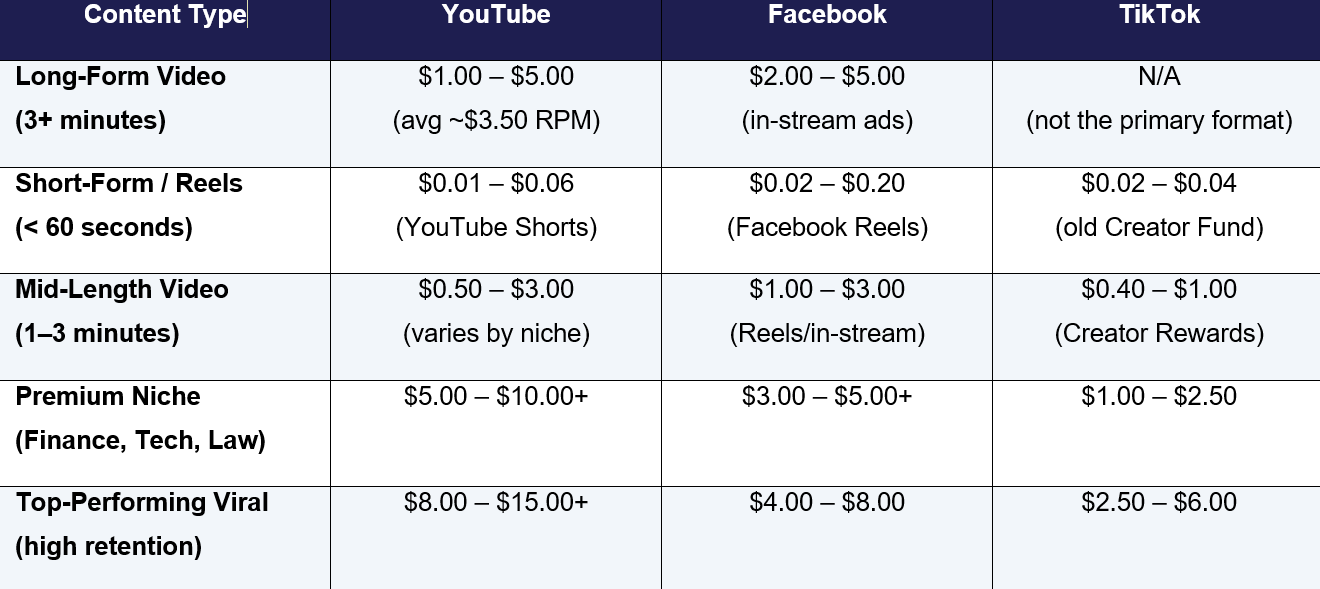
TABLE 2: Estimated Earnings by View Milestones (USD)
This table projects estimated earnings for the same video uploaded to all three platforms, assuming a general entertainment niche and a US-majority audience. These are mid-range estimates based on reported creator data.
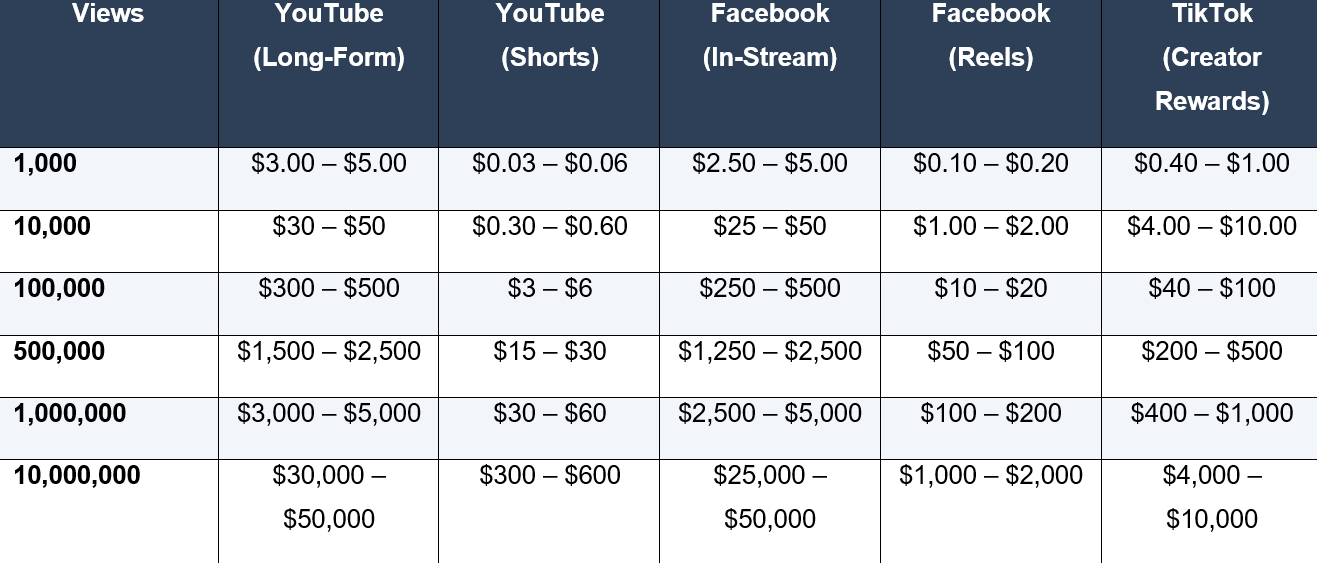
TABLE 3: Platform Monetisation Features — At a Glance
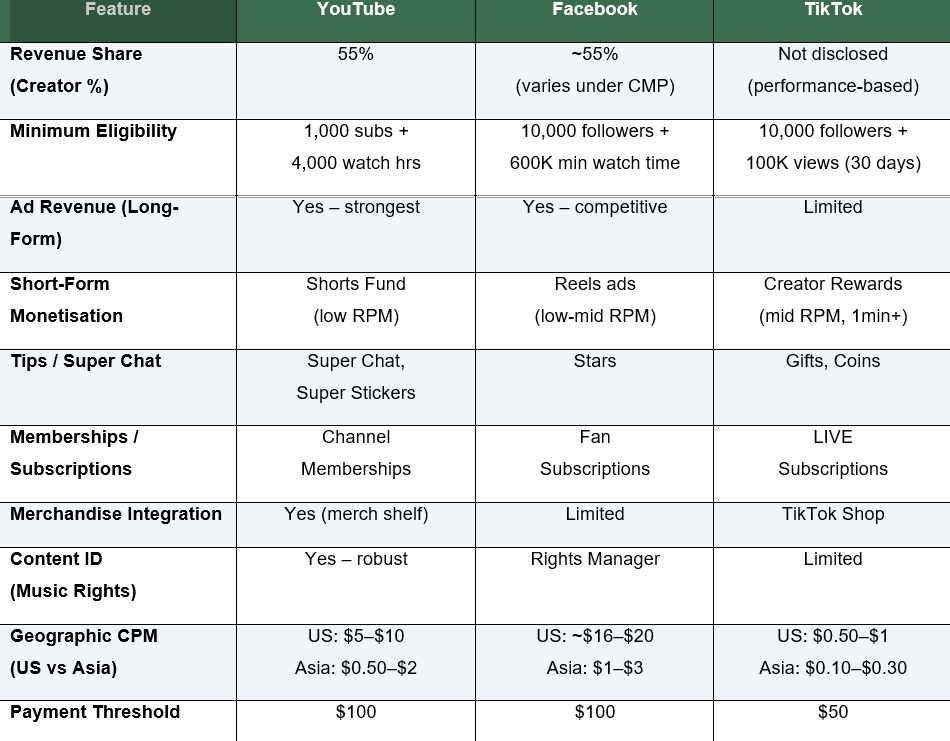
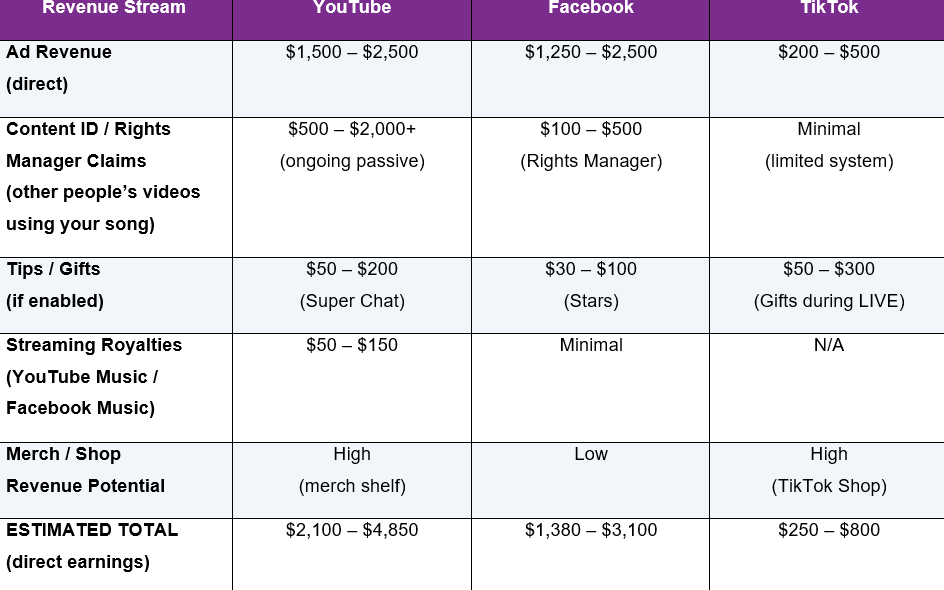
TABLE 4: Music Creator Scenario — Same Song, Three Platforms
Scenario: An independent musician uploads a 3-minute original music video. The video receives 500,000 views with a US-majority audience in a general music niche. The musician owns both the composition and recording rights.
Analysis: What the Numbers Tell Us
YouTube offers the highest payouts per view, especially for long-form content and music, thanks to its unmatched Content ID system for passive income from third-party use. Facebook is improving in long-form video monetisation but still trails in Reels earnings. TikTok excels in organic reach but has lower per-view revenue, serving mainly as a platform for discovery.
For musicians, YouTube's Content ID allows claims on ad revenue whenever their songs are used in other videos, making passive income potentially greater than earnings from personal uploads.
Malaysian and International Tax Considerations
For Malaysian creators, income from all three platforms is generally treated as business income under the Income Tax Act 1967. Creators should be aware that Google, Meta, and TikTok may withhold US tax on earnings from US viewers, depending on the tax treaty between Malaysia and the United States and whether the creator has submitted the appropriate tax forms (W-8BEN) through their respective payment dashboards.
Malaysia has double taxation agreements with many countries, which can reduce the effective withholding tax rate. Proper record-keeping and tax planning are essential. I strongly advise creators to work with a tax professional who understands digital income and cross-border payments.
Key Takeaways
Platform Strategies for Musicians and Creators
YouTube stands out as the leading platform for musician monetization, offering the highest payouts per view and a comprehensive ecosystem. Its Content ID system is particularly advantageous, enabling musicians to earn revenue not only from their own uploads but also whenever their music is used by others. This robust infrastructure makes YouTube an essential channel for maximizing earnings and passive income opportunities.
Facebook serves as a strong secondary platform, especially for creators focused on long-form video content. While its monetization features continue to improve, Facebook remains a valuable space for building audience engagement and extending content reach beyond YouTube.
TikTok excels as a discovery engine, making it ideal for attracting new audiences and driving traffic to YouTube or personal websites. Although TikTok's per-view revenue is lower, its organic reach and viral potential make it an effective tool for broadening visibility and connecting with new fans.
The most effective approach is not to rely on a single platform, but to utilize all three strategically. Use TikTok to amplify reach, Facebook to foster engagement, and YouTube as the primary channel for generating revenue. This integrated strategy allows creators to leverage the strengths of each platform for optimal results.
Maximizing Earnings and Managing Rights
If you are a creator or rights holder, it is crucial to thoroughly understand your agreements with each platform. Register your content with their respective rights management systems to ensure proper tracking and monetization. Additionally, keeping accurate records for tax purposes is essential for compliance and maximizing financial outcomes.
The key difference between a creator who earns $500 and one who earns $5,000 from the same content often lies not in talent, but in strategic execution. By managing rights effectively, leveraging each platform's strengths, and maintaining diligent documentation, creators can unlock the full earning potential of their work.
Disclaimer: All figures cited are based on publicly reported creator data and industry averages as of 2025–2026. Actual earnings vary significantly based on niche, geography, audience engagement, and platform algorithm changes. This article is for general informational purposes only and does not constitute financial or legal advice.